How to Layer Outfits in Winter Like a Pro (A Complete Style & Warmth Guide)
Winter layering is an art, and once you master it, getting dressed in cold weather feels effortless, cozy, and stylish instead of bulky and frustrating. The goal isn’t just warmth; it’s balance, proportion, texture, and comfort, all working together in harmony.
This guide breaks down exactly how fashion professionals layer outfits in winter, step by step, with practical styling tricks you can actually use every day.
Why Does Winter Layering Matters More Than You Think?
Layering isn’t about wearing more clothes, it’s about wearing the right clothes in the right order. A well-layered outfit keeps you warm indoors and outdoors, adapts to temperature changes, and still looks polished.
When done correctly, layering:
- Prevents overheating or freezing
- Adds depth and dimension to outfits
- Allows you to restyle the same pieces multiple ways
- Makes winter dressing intentional, not rushed
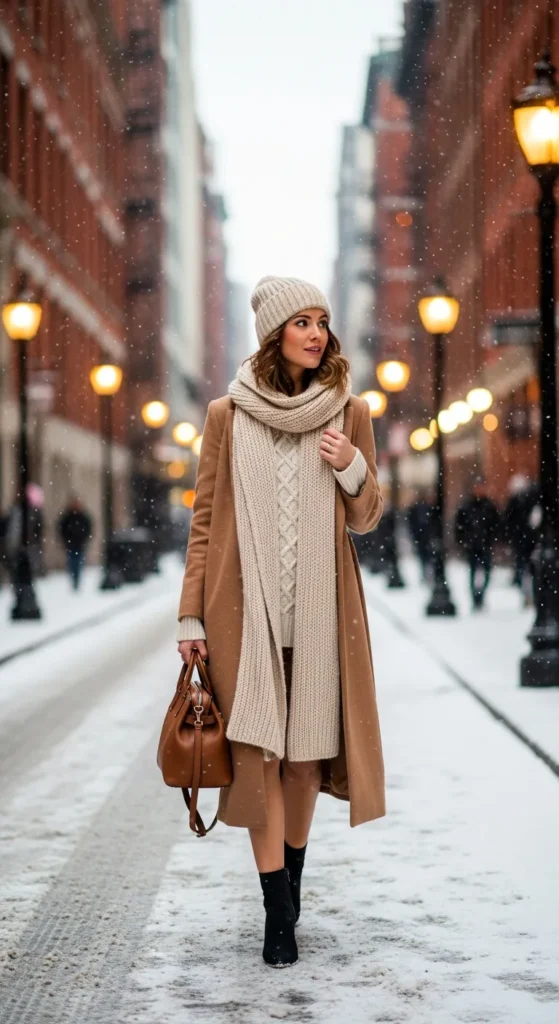
Step 1: Master the Base Layer (Your Non-Negotiable Foundation)
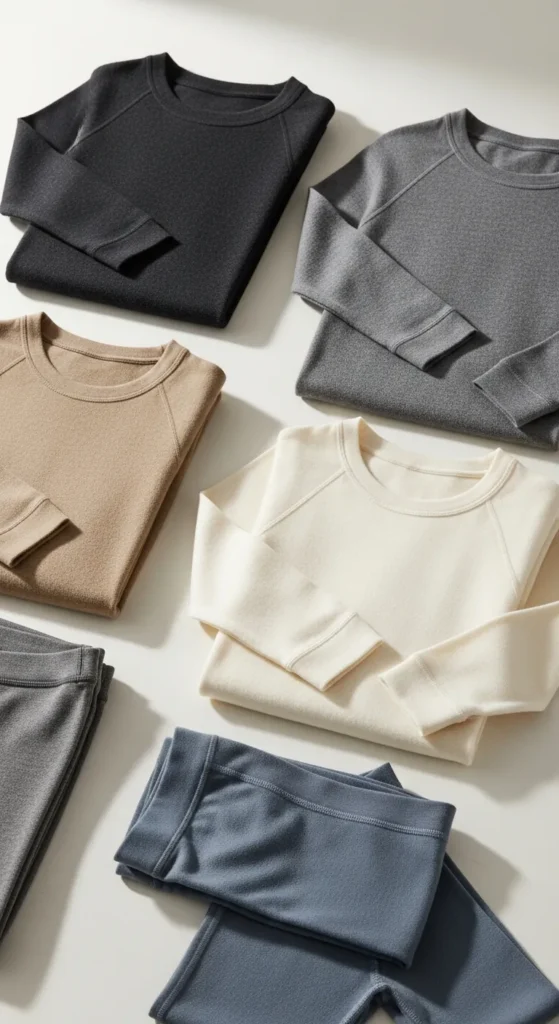
The base layer is the most overlooked, yet most important, part of winter dressing. It sits directly against your skin and controls body temperature and moisture.
What a Professional Base Layer Does
- Keeps heat close to your body
- Wicks sweat away so you don’t feel cold
- Adds warmth without bulk
Best Fabrics for Base Layers
✔ Merino wool
✔ Thermal synthetics
✔ Silk (great for mild winters)
🚫 Avoid cotton: it traps moisture and makes you colder.
Base Layer Style Tips
- Stick to neutral colors so it blends under outfits
- Choose slim, body-hugging fits
- Long sleeves and full-length leggings work best
Step 2: The Mid Layer – Where Warmth Meets Style
The mid layer is your insulation. This is where most of your outfit’s personality lives.
Best Mid Layer Options
- Chunky knit sweaters
- Cashmere pullovers
- Fleece zip-ups
- Lightweight quilted vests
- Knit dresses layered over thermals
How to Choose the Right Mid Layer
- Cold but dry weather → thick knits
- Mild winter → lighter sweaters
- Very cold days → layered mid-layers (shirt + sweater)
Pro Styling Trick
Mix textures, not just colors. A ribbed knit over a smooth base instantly looks intentional and elevated.

Step 3: Outer Layers That Protect Without Ruining the Outfit
Your outer layer should protect you from the elements without hiding your style.
Popular Outerwear Options
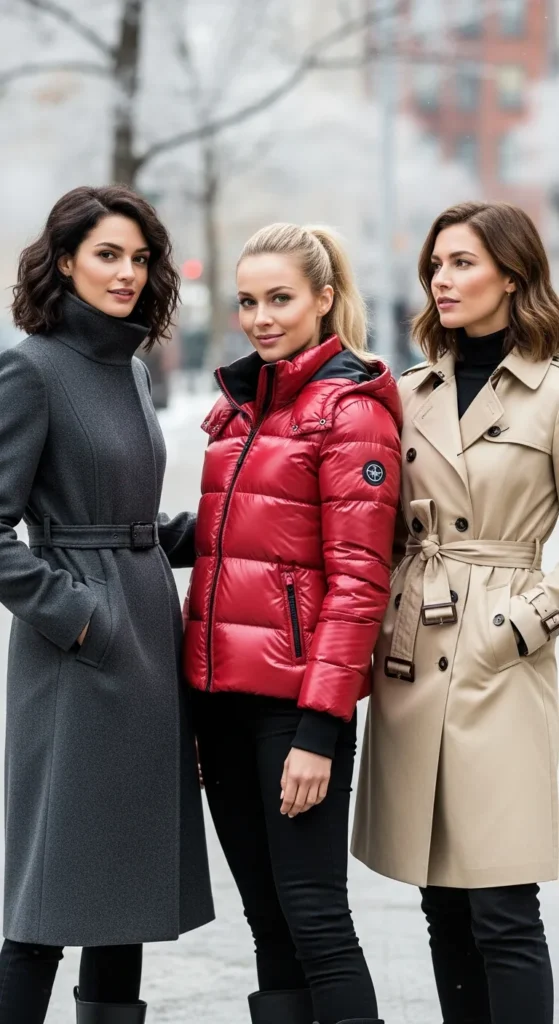
- Long wool coats (timeless and elegant)
- Puffer jackets (casual and cozy)
- Trench coats with layering underneath
- Parkas for extreme cold
Fit Matters More Than You Think
- Slightly oversized coats allow layering underneath
- Long coats keep legs warmer and balance proportions
- Cinched waists add structure if the coat feels bulky
Step 4: Smart Layering with Lengths & Proportions
Professional layering always considers visual balance.
Golden Layering Rule
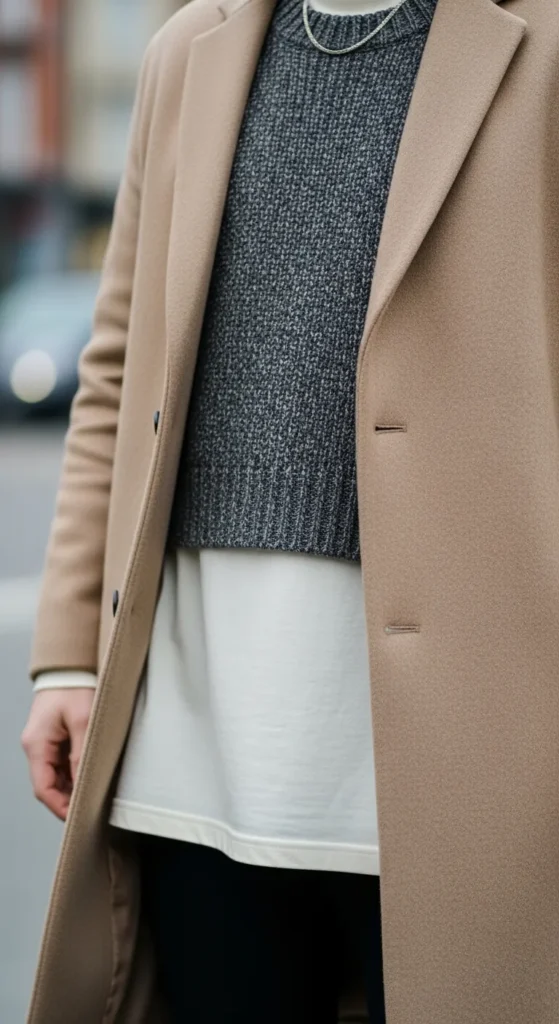
Each layer should be slightly longer or shorter than the one beneath it.
Examples
- Shirt peeking under sweater
- Sweater hem visible under coat
- Scarf adding vertical flow
This prevents outfits from looking boxy or unfinished.
Step 5: Accessories Are Functional Style Tools
Accessories aren’t extras, they’re essential layers.
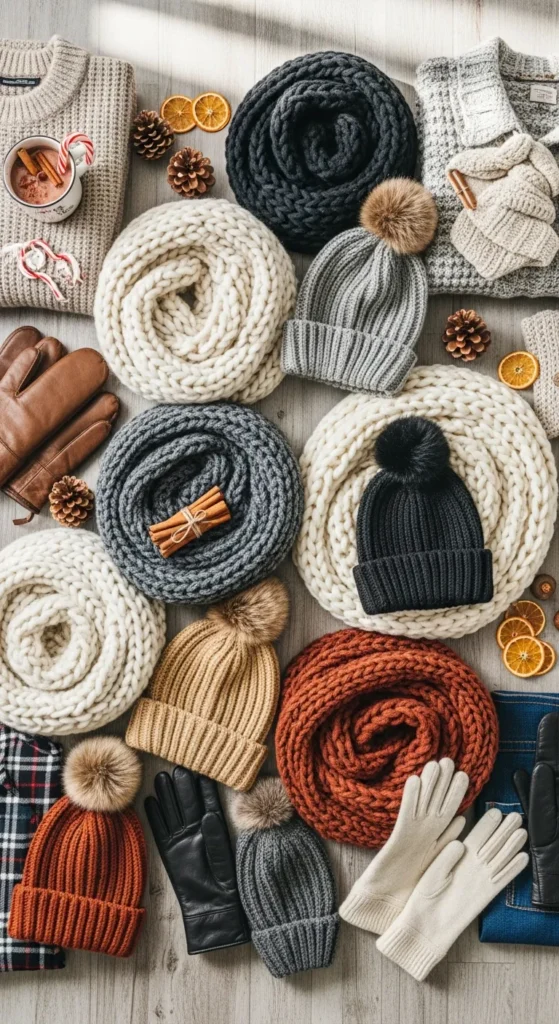
Key Winter Accessories
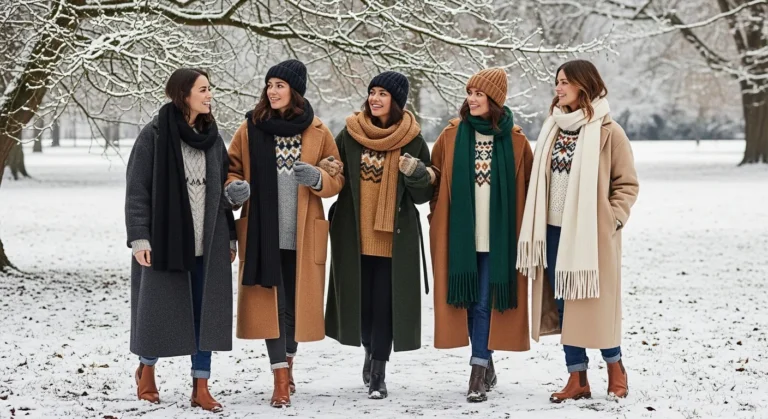
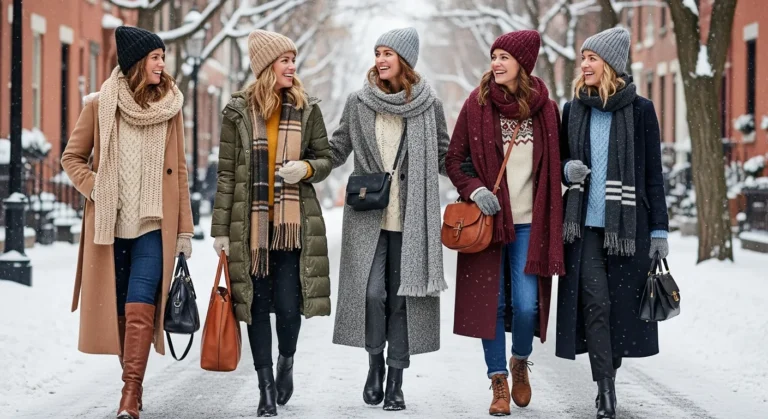
- Scarves (wool, cashmere, oversized)
- Beanies or berets
- Leather or knit gloves
- Thick socks or tights
Styling Tip
Choose accessories that contrast your outfit:
- Soft scarf with structured coat
- Leather gloves with knitwear
Step 6: Layering with Color Like a Pro
Winter doesn’t mean boring.
Easy Color Strategies
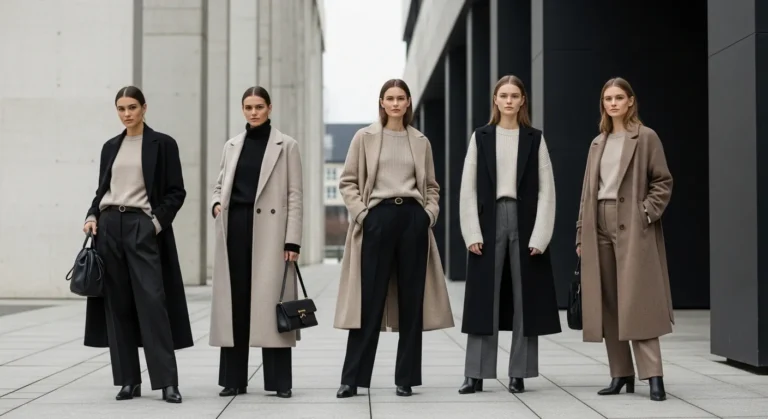
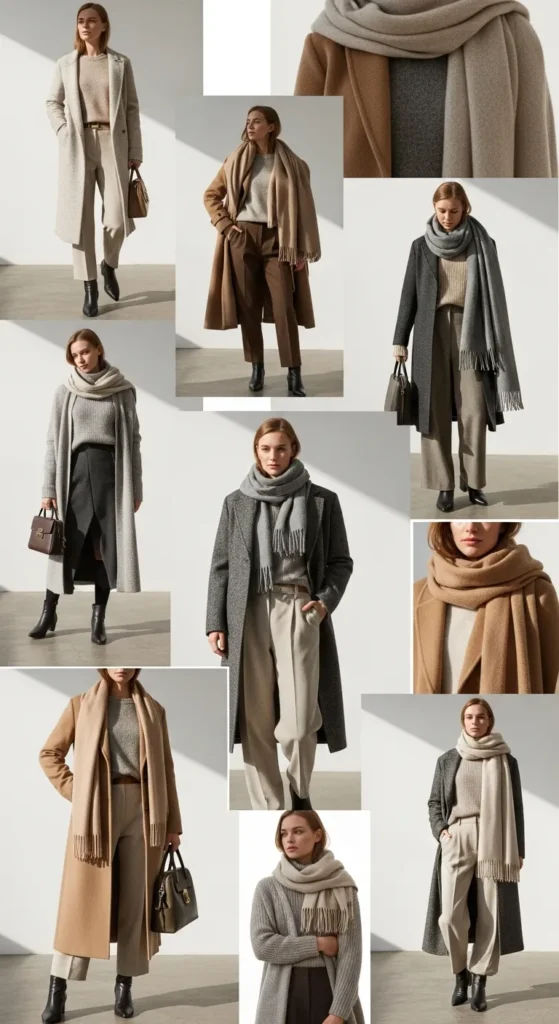
- Monochrome outfits (beige, grey, black)
- Neutral base + one accent color
- Earth tones for warmth and softness
Avoid This Mistake
Too many bold colors at once can overwhelm layered outfits.
Step 7: Layering for Different Occasions
Casual Everyday Layering
- Thermal top
- Knit sweater
- Puffer jacket
- Jeans + boots
Work-Appropriate Layering
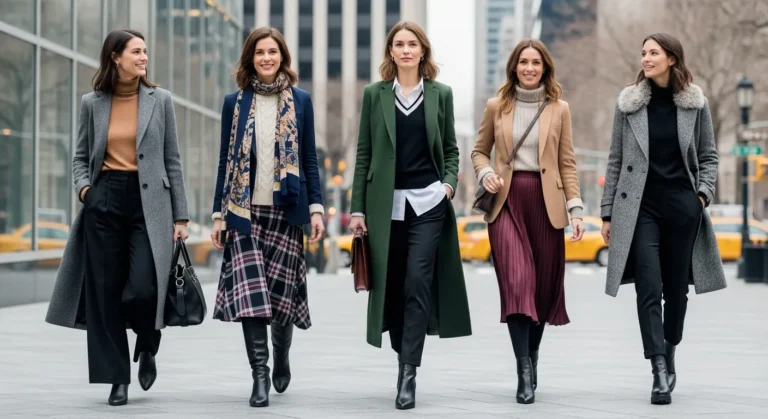
- Fitted turtleneck
- Tailored blazer
- Long wool coat
- Structured bag
Travel or Outdoor Layering
- Thermal base
- Fleece mid layer
- Insulated outer shell
- Beanie + gloves
Step 8: Common Winter Layering Mistakes to Avoid
❌ Too many thick layers
❌ Ignoring fabric breathability
❌ Wearing tight outerwear over bulky layers
❌ Forgetting footwear insulation
Pro Tip: If you feel uncomfortable indoors, your layering isn’t balanced.
Final Thoughts: Layering Is a Skill — And You Can Learn It
Layering like a pro isn’t about owning more clothes. It’s about understanding how pieces work together. Once you get it right, winter dressing becomes cozy, stylish, and surprisingly fun.
When in doubt, remember:
Warmth first, balance second, style always.